
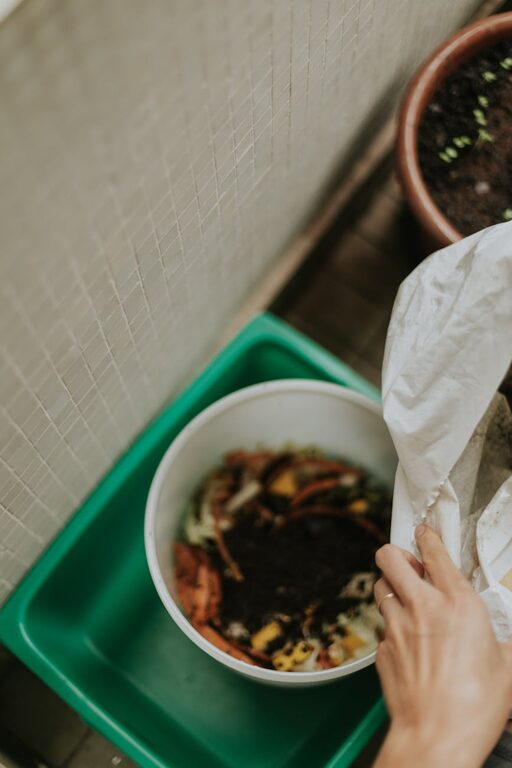
Composting at home is a fantastic way to reduce kitchen and garden waste while producing nutrient-rich soil for your plants. If you’re new to composting, the process may seem confusing at first, but with a few simple tips, you can get started easily and successfully. This guide will walk you through the basics of home composting, what materials to use, and how to maintain your compost bin for the best results.
Why Compost at Home?
Composting transforms organic waste like fruit scraps and leaves into valuable fertilizer. Instead of sending these materials to a landfill where they produce harmful methane gas, composting allows them to break down naturally and enrich your garden. Benefits of composting at home include:
– Reducing household waste
– Saving money on commercial fertilizers
– Improving soil health and moisture retention
– Supporting beneficial soil organisms
– Encouraging sustainable living
By starting your own compost, you turn waste into a resource and contribute positively to the environment.
Getting Started: Choosing a Composting Method
There are several ways to compost, depending on your available space and preferences. The most common methods include:
1. Compost Bin
A compost bin is a container designed for composting organic waste. It can be purchased or homemade and helps keep the compost tidy and contained.
2. Compost Pile
If you have a garden or yard, a simple compost pile is the easiest way. You stack your compost materials in a designated spot and turn it occasionally.
3. Tumbler Composters
Tumblers are enclosed bins mounted on a frame that you can rotate, speeding up the composting process by mixing materials regularly.
Choose a method that fits your living situation and the amount of waste you expect to compost.
What Can You Compost?
Knowing what to add to your compost pile or bin is essential for success. Compost materials are broadly categorized as “greens” or “browns”:
Green Materials (Nitrogen-rich)
– Fruit and vegetable scraps
– Coffee grounds and filters
– Tea bags (remove staples)
– Fresh grass clippings
– Plant trimmings
Brown Materials (Carbon-rich)
– Dry leaves
– Straw or hay
– Shredded newspaper and cardboard
– Sawdust from untreated wood
– Pine needles
Balancing greens and browns is important; a good rule of thumb is to aim for roughly three parts brown to one part green to keep your compost healthy.
What Not to Compost
To avoid unpleasant smells, pests, or contamination, keep these items out of your compost:
– Meat, fish, and dairy products
– Oils and greasy foods
– Pet feces and litter
– Diseased plants or weeds with seeds
– Inorganic materials like plastics or metals
Following these guidelines keeps your compost safe and effective.
Step-by-Step Guide to Home Composting
Step 1: Set Up Your Compost Space
Place your bin or designate an area in your yard for the pile. Choose a dry, shaded spot with good airflow.
Step 2: Add Your Materials
Start by layering browns and greens to encourage airflow and decomposition. For example, add a layer of dry leaves, then a layer of kitchen scraps.
Step 3: Maintain Moisture
Compost should be as damp as a wrung-out sponge. If it’s too dry, add water; if too wet, add more browns to absorb excess moisture.
Step 4: Turn or Mix Regularly
Aerate your compost once a week by turning it with a pitchfork or rotating a tumbler. This speeds up decomposition and reduces odors.
Step 5: Monitor Temperature and Progress
Active composting generates heat, often reaching 130–160°F (54–71°C). If your pile cools down, mixing or adding green materials can help revive it.
Step 6: Harvest Your Compost
After a few months, your compost will turn dark, crumbly, and earthy-smelling. This finished compost can be mixed into garden soil or used as mulch.
Troubleshooting Common Compost Problems
– Bad odors: Usually caused by too much green material or lack of air. Add browns and turn more frequently.
– Attracting pests: Avoid adding meat or oily foods and secure your bin.
– Slow decomposition: Add nitrogen-rich greens, keep moist, and turn regularly.
– Wet and soggy compost: Add dry browns and ensure good drainage.
With a little attention, most issues can be easily fixed.
Additional Tips for Successful Composting
– Chop or shred larger items before composting to speed decomposition.
– Use a compost thermometer to track temperature if you want precision.
– Keep a kitchen bin handy to collect scraps and make daily composting easy.
– Experiment with different materials and observe what works best for your climate.
Conclusion: Start Composting Today
Composting at home is a rewarding and simple way to reduce waste and boost your garden’s health. With the right materials, patience, and care, you can turn everyday scraps into black gold for your plants. Whether you choose a compost bin, pile, or tumbler, the key is to maintain balance and keep the process active. Give composting a try—you’ll be helping the environment and enhancing your green space in no time!
Happy composting!